
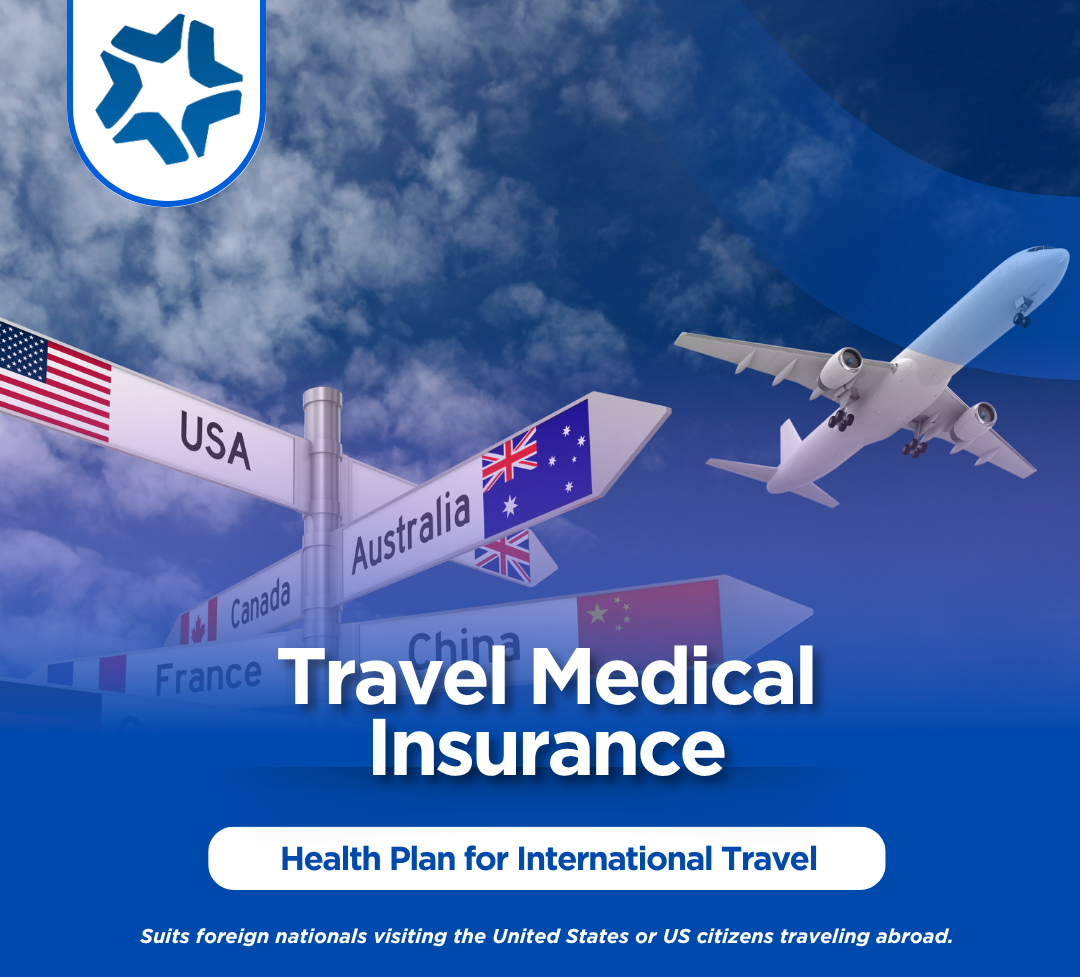
Travel insurance is one of those purchases most Americans don’t think about until they need it — and by then, it’s too late. A medical emergency abroad, a cancelled flight, a missed cruise departure, or lost luggage can transform a dream vacation into a financial nightmare. The right travel insurance policy protects you from these risks at a fraction of the cost of what could go wrong.
This guide covers everything US residents need to know about travel insurance in 2026.
What Does Travel Insurance Cover?
Trip Cancellation and Interruption
This is the most commonly used travel insurance benefit. Trip cancellation coverage reimburses your prepaid, non-refundable travel expenses if you need to cancel your trip before departure due to a covered reason — such as illness, injury, death of a family member, or severe weather. Trip interruption coverage applies if you need to cut your trip short after it begins.
Medical Coverage
Most US health insurance plans — including Medicare — offer little to no coverage outside the United States. Travel medical insurance fills this gap, covering emergency medical treatment, hospitalization, and doctor visits while abroad. This is arguably the most critical component of travel insurance for US residents traveling internationally.
Emergency Medical Evacuation
If you suffer a serious medical emergency in a remote location or in a country with inadequate medical facilities, emergency evacuation coverage pays to transport you to the nearest appropriate medical facility — or back to the US. Medical evacuations can cost $50,000 to $300,000 or more without insurance.
Baggage Loss and Delay
Covers the cost of replacing lost, stolen, or damaged luggage and personal belongings. Baggage delay coverage reimburses you for essential items you need to purchase while waiting for delayed bags.
Travel Delay
Reimburses additional expenses — meals, accommodation, transportation — incurred due to covered travel delays such as severe weather or mechanical problems.
Types of Travel Insurance Plans
Single-Trip Plans
Cover one specific trip from departure to return. Best for occasional travelers taking one or two trips per year. Premiums are calculated based on trip cost, destination, traveler age, and trip duration.
Annual Multi-Trip Plans
Cover all trips taken within a 12-month period, typically with a maximum trip duration per trip (usually 30–90 days). Excellent value for frequent travelers who take three or more trips per year.
Cancel for Any Reason (CFAR)
A premium upgrade that allows you to cancel your trip for any reason — not just covered reasons — and receive 50–75% of your prepaid costs back. CFAR typically costs 40–50% more than standard trip cancellation and must be purchased within a set window after initial trip deposit.
How Much Does Travel Insurance Cost?
Travel insurance for a single trip typically costs 4–10% of the total trip cost. For a $5,000 trip, expect to pay $200–$500. Factors that affect cost include the traveler’s age, destination, trip duration, total trip cost, and coverage levels selected.
| Trip Cost | Estimated Insurance Cost | CFAR Upgrade |
| $2,000 | $80 – $200 | $110 – $280 |
| $5,000 | $200 – $500 | $280 – $700 |
Best Travel Insurance Companies for US Residents
- Allianz Travel Insurance — Most widely purchased travel insurer in the US
- Travel Guard (AIG) — Comprehensive plans with strong emergency assistance
- World Nomads — Excellent for adventure travelers and long-term trips
- Travelex — Good value comprehensive plans for families
- Squaremouth — Comparison platform to compare multiple travel insurers
Final Thoughts
Travel insurance is a smart investment for any US resident traveling domestically or internationally, especially for trips involving significant prepaid costs or international medical risk. Always purchase your policy shortly after making your initial trip deposit to ensure you qualify for the full range of time-sensitive benefits including CFAR coverage.